

⛩️ Teach abroad · Japan
Teach English in Japan
The most sought-after teaching destination on earth — safe, clean and endlessly fascinating. And with up to €1,500/month in euros teaching online for our academies, you can actually afford to live the dream.
💴 ~$1,700–$2,200/mo + €1,500 onlineSolid pay with a euro top-up
🎌 JET · eikaiwa · ALTReal, structured jobs
📍 Tokyo · Osaka · KyotoWhere you'll teach
🎓 120-hour TEFLIncluded & live
4.9★ Trustpilot & Google · 2,000+ teachers trained · 15+ years
 🇯🇵 The #1 dream destination
Why Japan
★ Bucket-list #1
🛡️
🎌
🚀
Why teach English in Japan?
It's the destination almost every teacher dreams of — and one of the few places where the reality lives up to the fantasy. Here's why Japan stays at the top of the list.
The world's most wanted destination
Bullet trains, ancient temples, neon cities, legendary food and almost mythical safety. Japan tops nearly every teacher's dream list — and our €1,500/month in euros makes even Tokyo affordable.
Unbelievably safe & orderly
One of the safest countries on earth — spotless, punctual and a place where everything simply works.
Structured, respected jobs
JET, eikaiwa and ALT roles bring real contracts, training and a genuinely respected place in the community.
A career-defining year
A year in Japan stands out on any CV — and launches you across Asia, Europe and back home to Spain.
🍣 Sushi & ramen
🌸 Cherry blossoms
⛩️ Temples & shrines
🗻 Mt Fuji & onsen
🚅 Shinkansen trains
🎌 Matsuri festivals
🏯 Castles
🕹️ Anime & arcades
What you need to teach English in Japan
Japan is selective but fair — one clear rule and a short list of documents. Here's exactly what it takes, with no surprises later.
A bachelor's degree
Required for Japan's work visa — in any subject. This is the one hard, non-negotiable rule.
Fluent English
Native or fluent. Unlike Korea, Japan's visa isn't limited to a fixed list of nationalities.
Passport & clean record
Standard documents for an employer-sponsored visa — we walk you through every step.
120-hour TEFL
Strongly preferred and always rewarded — better pay and your pick of schools. Included.

Do I need a degree to teach English in Japan?
Yes — a bachelor's degree in any subject is required for Japan's work visa, sponsored by your employer. The good news: unlike Korea, Japan doesn't restrict it to a fixed list of native-English countries, so fluent non-native speakers with a degree can qualify too. No degree? Our paid online teaching in euros is still open, and we'll point you to easier-entry countries for classroom work.
Do I need a TEFL certificate?
A 120-hour TEFL is strongly preferred in Japan and makes you far more competitive — better pay, your pick of eikaiwa and ALT roles, and a real edge for JET. Yours is live, observed and included in the program.
Explore the TEFL course →
The job market
English teaching jobs in Japan
Japan hires English teachers year-round through well-known, structured programs. Pick your route, then stack our online roles on top to earn euros and beat Tokyo prices.
🎌$1,900–$2,100/mo
JET Programme
The prestigious government program — public schools, strong support and excellent benefits.
🗣️$1,700–$1,900/mo
Eikaiwa schools
Conversation schools (Aeon, ECC, Gaba-style) — the biggest source of jobs, hiring year-round.
🏫$1,600–$1,850/mo
ALT dispatch
Assistant teacher in public schools — one of the most common and accessible entry routes.
🎓$2,100–$3,500+
International schools
The best pay and benefits in the country — experience and a license are preferred.
👶$1,700–$2,000/mo
Kindergartens
Daytime hours and energetic young learners — fun, popular and in steady demand.
★ The income engineUp to €1,500/mo
Online with our academies — paid in euros
Teach online for TEFL Madrid & Exam Madrid and earn euros on top of your Japanese salary. In a pricey country like Japan, this is the part that turns a great experience into a sustainable one.
Where you'll live
Your home base in Japan
From the electric energy of Tokyo to the temples of Kyoto and the foodie streets of Osaka, we help you land in the right city for your job, your budget and the Japan you came for.
- We help you choose the right city for your program and salary
- Safe, central neighbourhoods with the world's best transport
- Guidance on apartments, key money and setup
- Most teachers start in Tokyo, Osaka or Fukuoka

Tokyo
The electric capitalThe most jobs, endless neighbourhoods and world-class everything. The classic first base in Japan.
Osaka
Foodie heartFriendly, lively and famous for food — Japan's kitchen, and noticeably cheaper than Tokyo.
Kyoto
Ancient capitalTemples, shrines and geisha districts — the most traditional, postcard-perfect Japan there is.
Yokohama
Bayside & modernMinutes from Tokyo but calmer — a stylish waterfront city with its own personality.
Fukuoka
Affordable & laid-backA southern gem with great food, lower costs and an easy gateway to the rest of Asia.
Sapporo
North & natureSnow, skiing, seafood and festivals — four real seasons and wide-open northern living.
Salary & cost of living in Japan
Japan pays well — but it's also pricey, especially in Tokyo. Here's the honest picture, and how our teachers make the dream actually add up.
Monthly cost of living
Rent · 1-room apt (Tokyo)$600–$1,000
Rent · smaller city$400–$650
Utilities & phone$120–$180
Groceries$250–$400
Eating out / izakaya$150–$350
Transport (train pass)$60–$120
Comfortable total~$1,000–$1,600 (~€920–€1,480)
Tokyo and Osaka sit at the top; cities like Fukuoka or Sapporo cost noticeably less. "Key money" deposits are common when renting — we guide you through it.

Local salary
~$1,700–$2,200/mo · JET, eikaiwa or ALT. Comfortable — but Tokyo eats into it.
Remote with our academies
up to €1,500/mo · in euros. The buffer that makes Japan add up.
Local + remote = breathing room
Combine both and you live the Japan dream without watching every single yen.
Everyone sells the dream. We make it affordable.
Japan is the country every program puts on the brochure — and then leaves you on a single salary in one of the world's priciest cities. We go further: as a TEFL Madrid graduate you also teach online for our own academies in euros, so you cover Tokyo rent and still enjoy Japan, instead of just surviving it.
Your program, step by step
Japan's Certificate of Eligibility takes time, so we start early and handle the paperwork with you. Here's exactly what your journey looks like.
-
1
Before you fly
4–8 weeks outWe start your visa and Certificate of Eligibility early: documents collected, school matched and full WhatsApp support so nothing gets stuck.
-
2
Arrival week
Week 1Airport pickup, apartment setup, a local SIM, your residence card and a city orientation. By the end of week one, Japan already feels like home.
-
3
TEFL training
Weeks 1–4Live, observed 120-hour training: methodology, lesson planning and classroom management — with hands-on practice before you lead your own class.
-
4
Paid placement & support
OngoingWe place you with a vetted JET, eikaiwa or ALT role, support your visa and stay by your side — plus your remote teaching option in euros with our academies.
 🇯🇵 Live training · observed teaching practice
What's included in your Japan program
Everything you need to land, get your visa, settle into an apartment and start earning — handled by people who've done it before.

🎓
120-hour TEFL certification
Live, observed and internationally recognised. Yours for life and valid worldwide.

🛂
Job placement support
We connect you with vetted JET, eikaiwa and ALT roles across Tokyo, Osaka, Kyoto and beyond.
📄
Visa & Certificate of Eligibility
The CoE and full work-visa process, guided step by step so nothing is missed.

✈️
Airport pickup & apartment setup
Met when you land and settled into your apartment, with SIM, orientation and key-money guidance.

🤝
Real in-country support
A local team for contracts, your residence card, banking and any emergency.

★ Our academies
🌐
Online teaching, paid in euros
Teach online for TEFL Madrid + Exam Madrid and earn up to €1,500/month — the part that makes pricey Japan affordable.

Career pathway
Where Japan can take you
A year teaching in Japan is one of the most respected things you can put on a CV — and the perfect springboard to a global career, with a clear road to Spain at the end of it.
-
🎓
Get TEFL-certified
Start with your live, observed 120-hour TEFL.
-
💼
Teach & explore Japan
Solid pay plus remote income in euros from our academies — the dream, made sustainable.
-
🌏
Go global
Take your certificate across Asia, Europe and Latin America — valid worldwide and yours for life.
-
🇪🇸
Move to Spain with us
Unlock a student visa, job placement and relocation through TEFL Madrid Academy.
🇯🇵 → 🇪🇸 After Japan, move to Spain
Finish your time in Japan and unlock a Student Visa for Spain, job placement, housing guidance and full relocation support. Japan → Spain is one of the strongest TEFL career routes there is — and your €1,500/month remote income travels with you.

Your provider · E-E-A-T
Who you'll train with
Japan's visa process rewards getting it right the first time — so you want a real academy behind you, not a faceless recruiter. We put our name on your certificate.
-
✓
An independent awarding body — TEFL Madrid issues its own internationally recognised 120-hour TEFL certification.
-
✓
15+ years training teachers — thousands certified and placed across the world.
-
✓
Real academies, real demand — we don't just train you; we hire our own graduates to teach online.
-
✓
We handle the hard part in Japan — Certificate of Eligibility, work visa and placement, guided end to end.
15+
Years
2,000+
Teachers trained
4.9★
Trustpilot & Google
Own
Awarding body
★ Our academies
The difference: we pay our own graduates
Most programs hand you a certificate and wish you luck. We hire ours — teach online for TEFL Madrid + Exam Madrid and earn up to €1,500/month in euros, the income that turns expensive Japan from a stretch into a place you can truly enjoy.
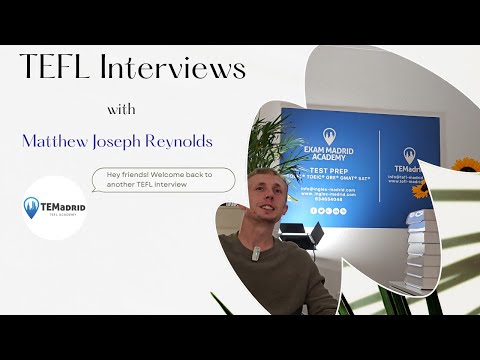
Real graduates, real journeys
Real TEFL Madrid graduates who did exactly what you're about to do — certified, placed and now teaching across Asia and beyond, including Japan.





Would you rather teach in Spain?
Start in Madrid, teach anywhere
TEFL Madrid Academy is based in Madrid, Spain. If Europe is on your list, these are the pages that matter: the course, the visa route, the jobs and what they pay.
- TEFL Course in Spain with Visa & Paid Job4 weeks in Madrid, student visa support and a guaranteed teaching job.
- TEFL Certification in Spain for EU CitizensNo visa needed. Get certified in Madrid and start working right away.
- Teach English in MadridJobs, salaries, cost of living and visa options in the capital.
- Teach English in Spain: the complete guideRequirements, job types, visas and where the demand is.
- TEFL Jobs in SpainWhere to find them, what they pay and when schools hire.
- Level 5 TEFL Course Online168h self-paced or live 1-to-1, from anywhere.
- Teach English in Spain Without a DegreeLegal options, visas and jobs if you don't have a university degree.
Prices, dates and enrolment on the course page.

⛩️ Your next chapter starts here
Teach in Japan. Live the dream — and afford it.
Get TEFL-certified, land a structured job through JET, eikaiwa or ALT, and add up to €1,500/month in euros teaching online for our real academies. This is how the dream of Japan becomes a life you can actually sustain.
4.9★ Trustpilot & Google · 2,000+ teachers trained · 15+ years